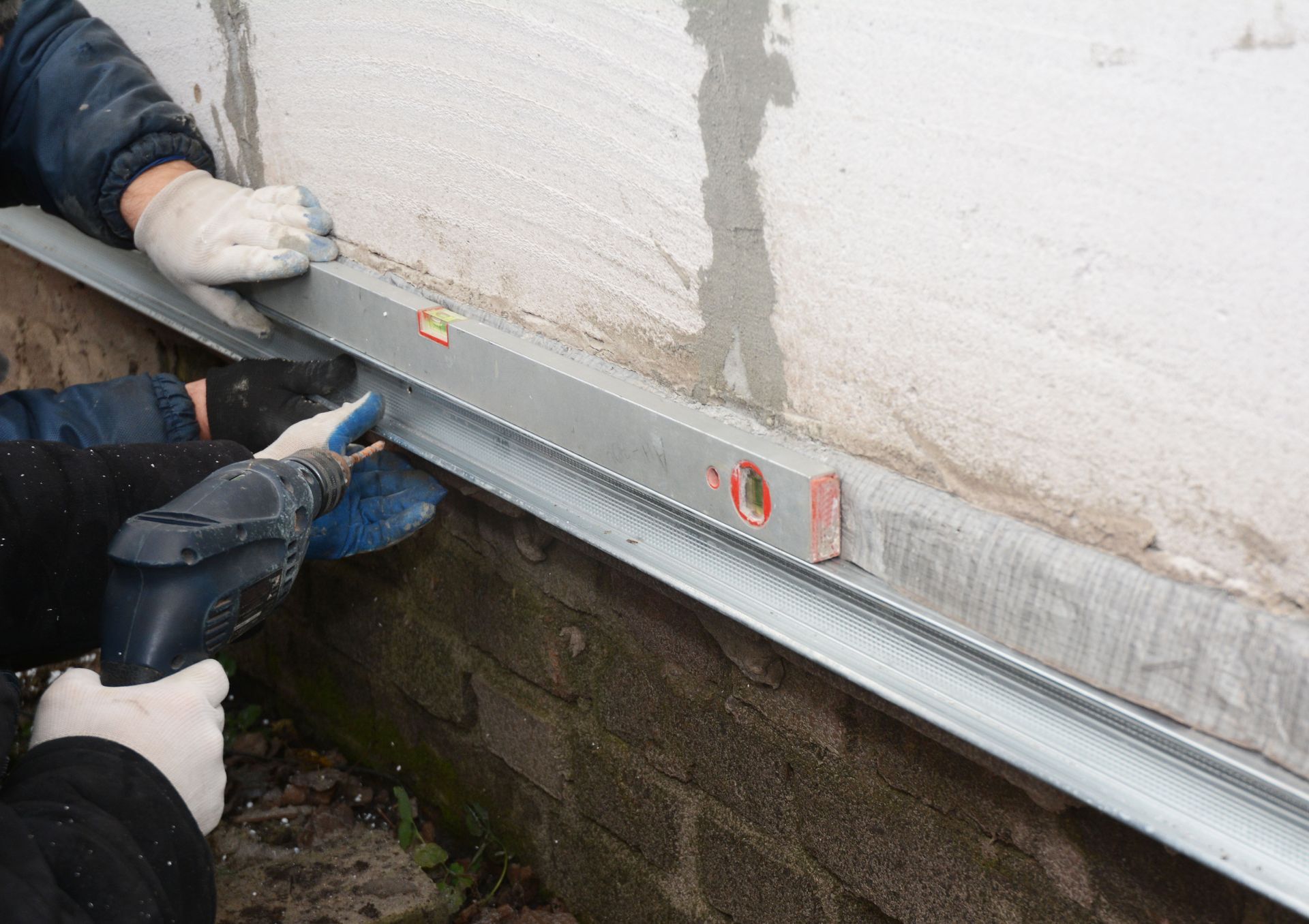
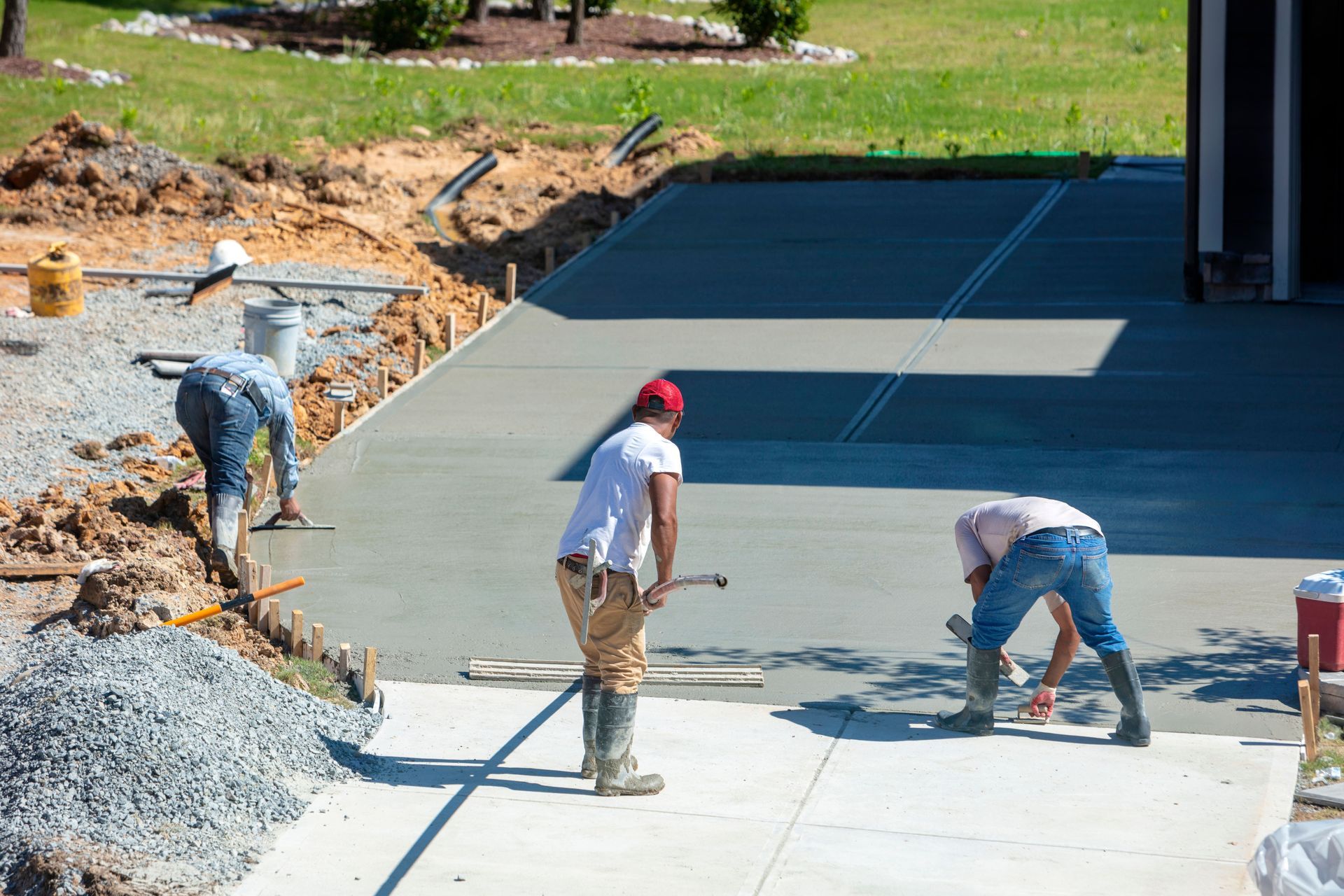
The foundation of a residential structure serves as the critical bedrock supporting the entire physical weight, integrity, and safety of the home above it. Over time, factors such as clay soil expansion, hydrostatic pressure, improper site drainage, and natural seismic shifts compromise this essential structural base. When foundational settlement, wall bowing, or concrete cracking begins to manifest, homeowners face a critical decision regarding how to remediate the damage. Assessing Expertise and Advanced Diagnostic Methods One of the main reasons property owners select professional foundation repair companies is the deep domain expertise required to diagnose structural distress accurately. Foundation failure is rarely caused by a single isolated variable; rather, it is usually the result of complex interactions between soil compositions, subterranean moisture levels, and structural weight distribution. Laypeople often misinterpret surface symptoms, mistaking severe structural settlement for minor cosmetic settling. Trained specialists undergo rigorous education in soil mechanics and structural engineering to differentiate between non-structural shrinkage cracks and active structural failure. According to Future Market Insights, settlement repair accounts for 36% of all foundation repair services in 2025, making it the most common repair performed by foundation repair companies. Addressing this widespread issue requires precision instruments such as electronic water levels, laser transits, and soil penetrometers to calculate precise floor elevation variances and sub-surface load capacity. Furthermore, professional foundation repair companies do not rely on generic, one-size-fits-all repair tactics. Every residential lot presents a unique geological profile depending on local water tables, historical grading, and foundational designs, whether slab-on-grade, crawlspace, or full basement. Specialists utilize advanced geotechnical data to craft customized remediation strategies that match the specific structural needs of the dwelling. They conduct comprehensive risk assessments that detect secondary issues, such as soil erosion around footings or plumbing leaks beneath concrete slabs, before repair work begins. By pairing advanced diagnostic technology with field-tested engineering methodologies, established contractors implement targeted repair strategies that stabilize the structure permanently. Beyond initial stabilization, expert diagnosis prevents minor structural shifts from escalating into catastrophic property damage. When structural movement is improperly diagnosed, incorrect repairs can place asymmetrical stress on load-bearing walls, accelerating floor sag and roof line distortion. Professional foundation repair companies evaluate the entire load path of the home, ensuring that any mechanical lifting or underpinning redistributes weight safely across the foundation system. This thorough approach provides property owners with total clarity regarding the exact condition of their residential substrate. Ensuring Safety and Building Code Compliance Executing foundation restoration carries inherent physical risks and stringent legal obligations that require professional oversight. Municipal building codes enforce strict standards regarding structural modifications, load redistribution, excavation depth, and underpinning placement. Uncertified repairs or unauthorized structural changes can result in municipal stop-work orders, steep fines, and severe complications when trying to sell or insure the property. Licensed foundation repair companies maintain a thorough understanding of local building codes and engineering standards, securing the required permits and coordinating mandatory municipal inspections. Ensuring that all corrective work is fully documented and code-compliant protects the property's legal standing and preserves its fair market value. The physical execution of foundation stabilization involves high-risk operational environments, including deep trenching, hydraulic lifting under immense loads, and high-pressure chemical grouting. Working beneath unstable concrete slabs or near bowing basement walls presents severe collapse hazards to untrained individuals. Certified structural technicians adhere to strict safety standards, utilizing hydraulic shoring systems, site-containment barriers, and heavy-duty personal protective equipment. Professional crews are trained to manage unexpected field hazards safely, such as shifting soil, unstable masonry, or hidden subterranean utility lines, keeping workers and household residents safe throughout the construction process. Hiring established foundation repair companies also mitigates severe financial and legal liabilities for the property owner. Reputable structural contractors carry comprehensive commercial liability insurance, workers' compensation policies, and professional indemnity coverage. If an unforeseen accident occurs or a subterranean utility line is damaged during excavation, the contractor's insurance absorbs the financial burden rather than the homeowner's personal policy. This legal protection, paired with structural compliance, offers homeowners total confidence that their property is being repaired safely and legally. Evaluating Long-Term Financial Cost-Effectiveness Although hiring professional foundation repair companies involves a significant upfront financial commitment, it yields substantial long-term cost savings compared to temporary fix-it strategies. DIY repairs or uncertified handyman patches rely heavily on superficial surface sealants, cosmetic hydraulic cements, or improperly sized jacks. These quick fixes fail to counteract ongoing hydrostatic pressure or subterranean soil shifting, allowing structural deterioration to continue unchecked behind cosmetic repairs. Over time, unaddressed foundation failure causes secondary damage to drywall, hardwood flooring, framing, roof structures, and subsurface plumbing lines, escalating eventual restoration costs exponentially. Investing in certified foundation repair companies ensures that structural restoration utilizes heavy-duty, engineered materials manufactured for decades of subterranean durability. Professional installations feature galvanized steel helical piers, heavy-gauge push piers, and industrial carbon-fiber wall reinforcement straps that resist soil corrosion and pressure. While high-grade steel and composite materials carry higher initial material costs, their permanent performance eliminates the need for repeated, compounding repairs. Correcting structural failures permanently during the initial intervention secures property equity and prevents money from being wasted on recurring cosmetic touch-ups. Implementing Comprehensive Structural Solutions Achieving permanent structural stabilization requires a holistic engineering approach that extends beyond simple cosmetic crack repair. Professional foundation repair companies conduct exhaustive structural evaluations that analyze soil moisture profiles, groundwater movement, roof run-off patterns, and structural load pathways. Following comprehensive diagnostic testing, structural engineering teams formulate multi-stage repair plans that combine mechanical lifting, load transfer, and subterranean stabilization techniques tailored specifically to the site's environmental conditions. A truly comprehensive repair plan integrates physical foundation stabilization with advanced moisture management and soil stabilization methods. For instance, addressing a bowing basement wall often requires installing carbon-fiber reinforcement straps alongside exterior excavation, hydro-void foam injection, and French drain installation to eliminate the hydrostatic pressure driving the wall inward. Professional foundation repair companies possess the equipment, workforce, and multi-disciplinary capability required to execute these complex, layered remediation strategies seamlessly within a single unified project plan. Certified contractors incorporate forward-looking preventative measures into every structural design to guard against future soil movement or moisture infiltration. By installing subterranean vapor barriers, sump pump systems, and specialized soil encapsulation systems, contractors shield the foundation footings from fluctuating climate conditions. Many foundation repair companies also offer long-term maintenance programs and routine inspections, ensuring that any future soil shifts or drainage blockages are remediated long before they can threaten structural integrity. Maximizing Time Efficiency and Minimizing Disruption Time is a critical factor when dealing with active structural failure, as unmitigated foundation movement can rapidly compromise framing, interior finishes, and utility connections. Professional foundation repair companies utilize dedicated project management, high-capacity hydraulic machinery, and specialized installation crews to complete complex structural projects swiftly. Work that might take an inexperienced individual months of dangerous trial-and-error labor can typically be completed by a trained professional team in just a few days, drastically reducing overall structural exposure. Minimizing daily household disruption is another primary focus for professional structural contractors. Major structural remediation often requires extensive excavation around a home's perimeter or controlled core-drilling through interior concrete slabs. Professional crews utilize heavy-duty dust containment systems, turf protection matting, and controlled excavation schedules to keep the home navigable and clean throughout construction. Clear communication protocols ensure that property owners remain informed regarding daily milestones, noise expectations, and utility access, minimizing operational stress on the household. Choosing expert care protects both the physical safety and the long-term value of your home. For more information about the services that we offer, reach out to our incredible team at Ruben's Foundation Repair today!
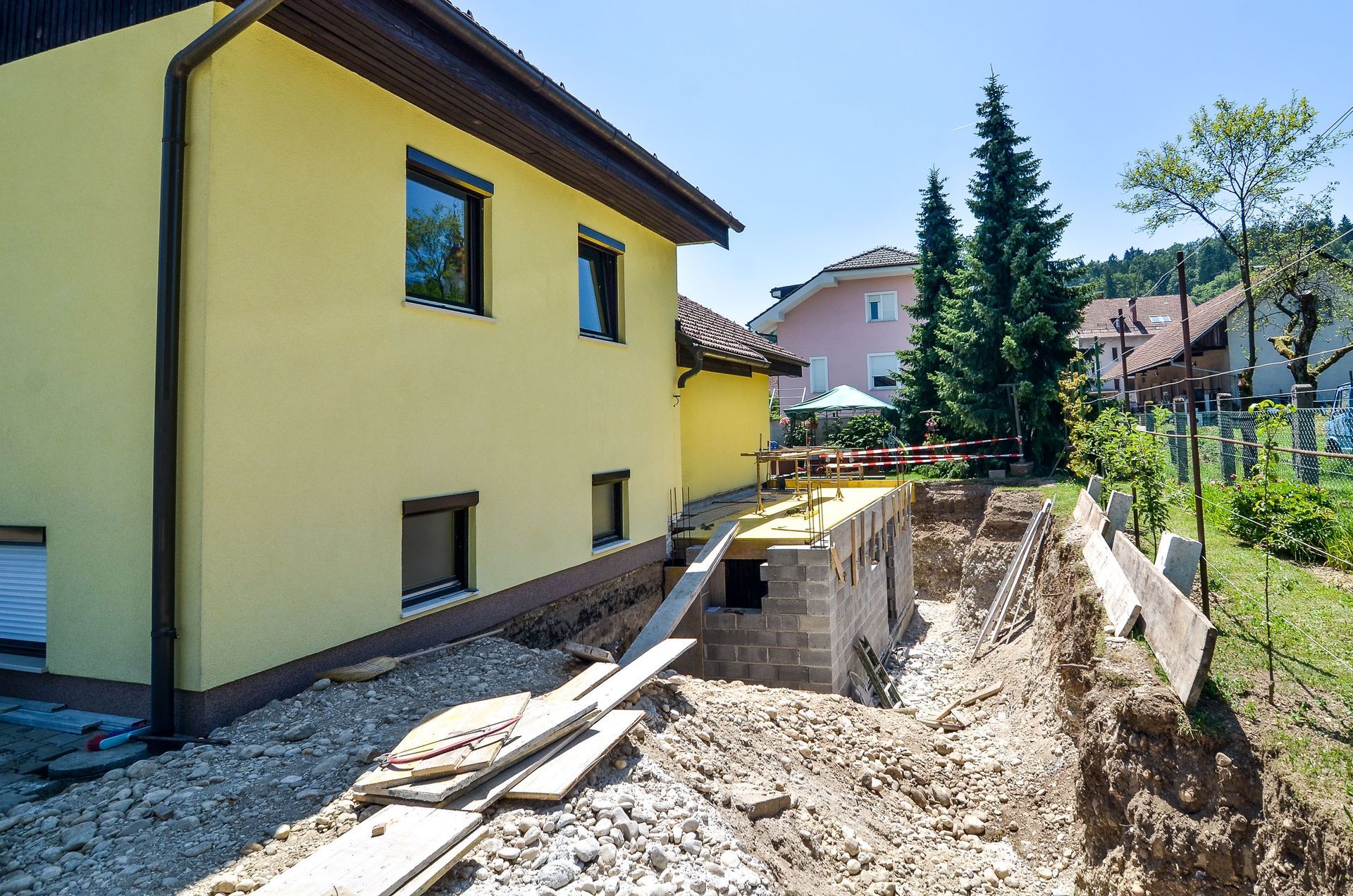
Protect your home with expert concrete foundation repairs from Ruben’s Foundation Repair. Learn warning signs and schedule your inspection today.
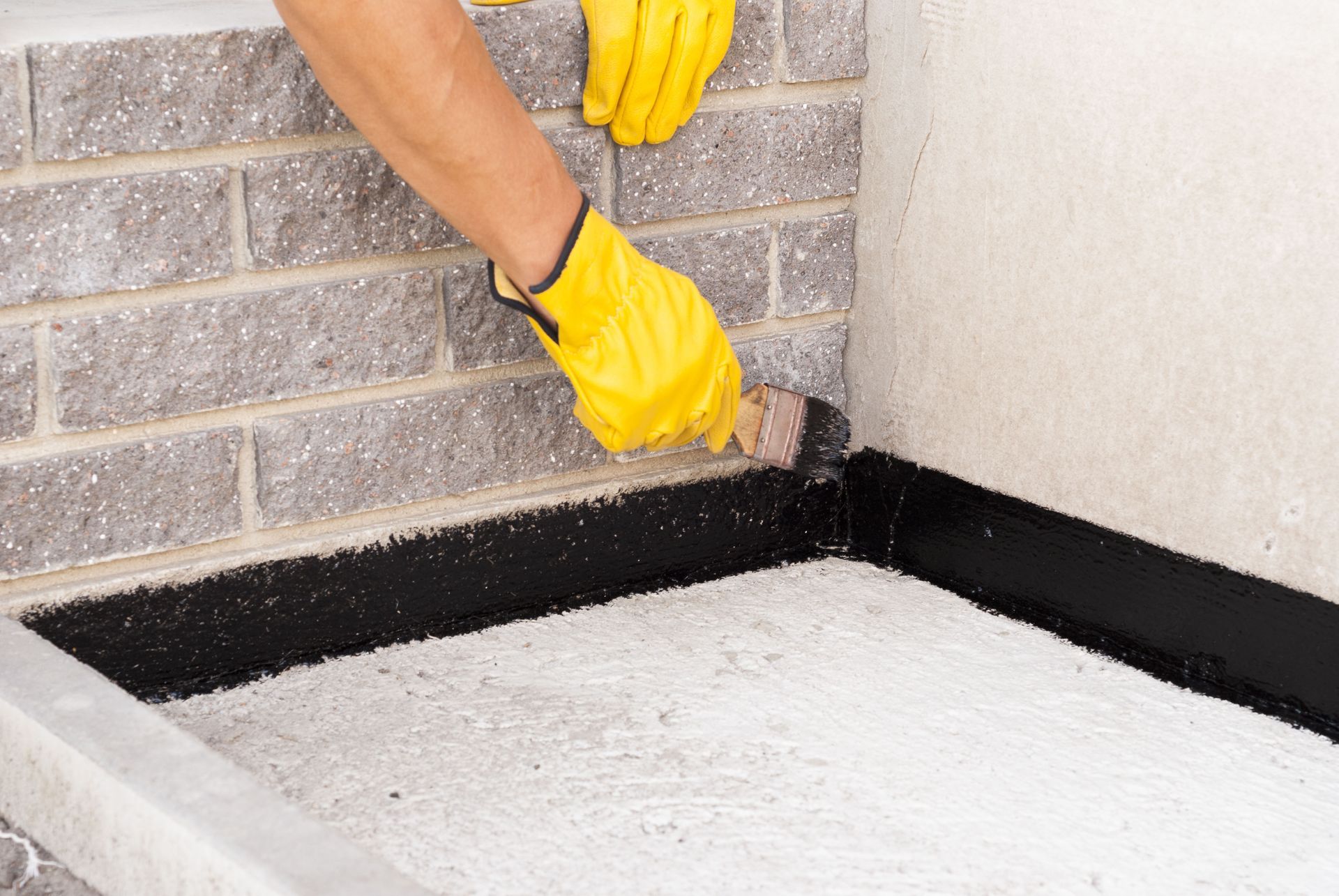
Clear up common myths about foundation repairs and learn what to expect, how professionals assess damage, and why timely fixes protect your home’s stability.

